Powdered Sugar Fondant: Your Home Baker's Easy Glaze Solution
Every home baker dreams of creating desserts that look as professional as they taste. Achieving that perfect, smooth, and slightly glossy finish often seems intimidating, especially when traditional techniques involve complex processes. Enter
powdered sugar fondant – a true game-changer for anyone seeking an effortless yet elegant glaze. This easy-to-make, pourable icing is not to be confused with its rolled counterpart, but rather offers a brilliant shortcut to a beautifully finished confection. Forget the elaborate candy-making methods of true fondant; this simpler version delivers a delicious, adaptable, and stunning glaze that will elevate everything from dainty petit fours to impressive Bundt cakes. Mastering a simple
poured fondant icing recipe is within every baker's reach, promising delightful results with minimal fuss.
The Sweet Solution: What is Powdered Sugar Fondant?
At its heart, powdered sugar fondant is a simplified, pourable glaze that allows home bakers to achieve a professional finish without the demanding process of traditional fondant. Unlike rolled fondant, which is a pliable sugar dough used to cover entire cakes,
poured fondant icing is designed to coat pastries with a thin, smooth, and slightly opaque layer of sweetness. While purists might argue it's not "true" fondant (which involves controlled sugar crystallization, like the center of a peppermint patty), this powdered sugar version is a pragmatic and utterly delicious compromise.
For the home baker, this distinction is a blessing. It means you get the elegance and a comparable texture of a beautiful glaze with significantly less effort and a much lower risk of failure. It's incredibly easy to make, typically requiring just powdered sugar, a liquid (like milk, water, or cream), and flavoring. This makes it an ideal choice for adding a lovely sheen and delicate sweetness to a wide array of baked goods, ensuring your treats look as delightful as they taste.
Mastering the Perfect Poured Fondant Icing Recipe Consistency
The secret to a flawless
poured fondant icing recipe lies in achieving the perfect consistency. Too thin, and it will be transparent and run off your treats; too thick, and it will be lumpy and difficult to pour smoothly. The ideal consistency is smooth, pourable, and has a slight viscosity.
When you lift a spoonful of the icing and let it slowly fall back into the mixing bowl, it should form
flat ribbons that gradually melt back into the surface within a few seconds. This visual cue tells you it's ready. If it disappears instantly, it's too thin; if it leaves distinct mounds or takes too long to flatten, it's too thick.
Here's how to ensure you hit that sweet spot:
*
Start with your basic ingredients: Typically powdered sugar, a small amount of liquid (milk or water), and vanilla extract. Gradually add liquid to the powdered sugar, mixing thoroughly after each addition.
*
Warmth helps: Slightly warming your liquid (milk or water) can help dissolve the sugar more effectively, creating a smoother consistency.
*
Adjusting consistency: If your icing is too thick, add a tiny amount (half a teaspoon) of liquid at a time until the desired ribbon consistency is achieved. If it's too thin, sift in a small amount of extra powdered sugar until it thickens appropriately. Always make small adjustments to avoid overshooting.
*
Eliminate lumps: Sifting your powdered sugar before mixing is crucial for preventing lumps. If lumps still appear, a quick whisk or even pushing the icing through a fine-mesh sieve can smooth it out.
Understanding and controlling this consistency is the cornerstone of creating beautiful, evenly glazed treats with your
master poured fondant icing recipe.
Smart Application Techniques: Glazing with Minimal Waste
One of the great advantages of powdered sugar fondant is its ease of application, especially when you employ smart techniques to minimize waste and maximize coverage. These methods ensure a beautiful, even coat every time.
Pouring Over a Wire Rack
This method is excellent for coating multiple items like petit fours, cookies, or small cakes.
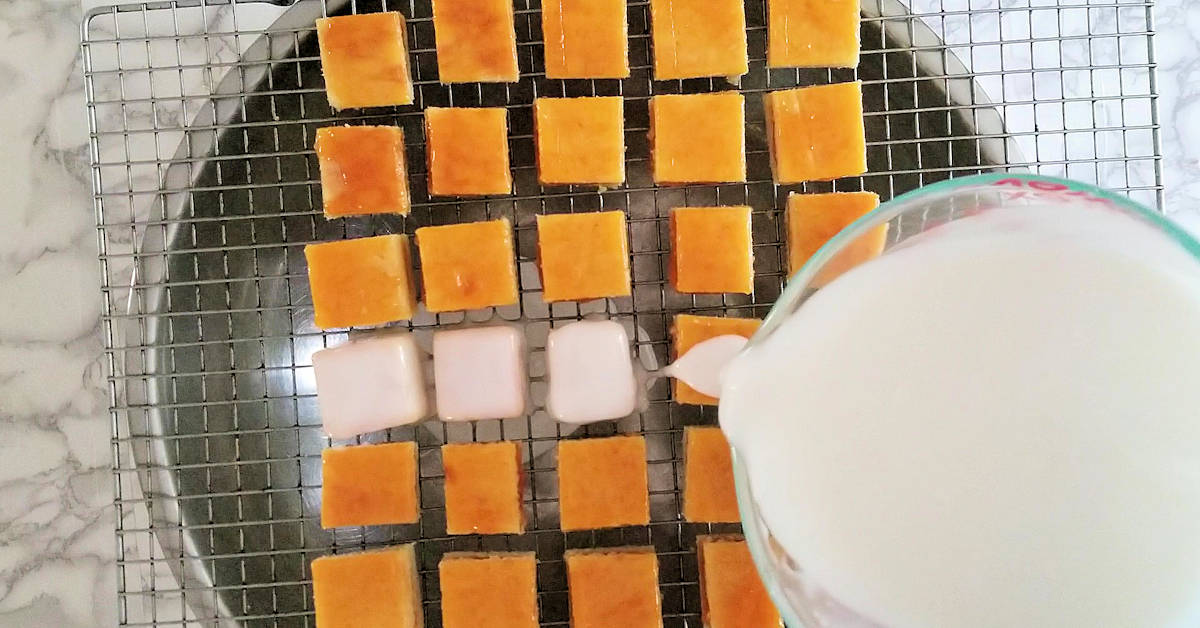
- Set up your station: Place a wire cooling rack over a large bowl or a rimmed baking sheet lined with parchment paper or a silicone mat (Silpat). Ensure there’s enough space for the drippings to collect underneath.
- Arrange your treats: Place your cooled petit fours, cookies, or cupcakes on the wire rack, leaving about 1-2 inches between each item for even coating.
- Pour evenly: Using a large kitchen spoon or a small ladle, slowly and steadily pour the prepared icing over each item. Start from the center and allow the icing to spread to the edges, coating the entire surface. The ideal consistency will ensure it flows smoothly without needing to be spread.
- Collect and reuse: The excess icing will drip into the bowl or onto the lined baking sheet. Once you've glazed all your items, you can easily scrape the collected icing back into your main bowl for reuse. This significantly reduces waste, making your poured fondant icing recipe even more economical.
Direct Dipping for Smaller Items
For smaller, flat items like cookies or mini financiers, direct dipping can be incredibly efficient.
- Prepare your icing: Ensure your icing is in a shallow, wide bowl for easy dipping.
- Dip quickly: Hold your item (e.g., a cookie) and gently dip its top surface into the icing. Swirl it slightly to ensure full coverage, then lift.
- Allow excess to drip: Let any excess icing drip back into the bowl for a moment before placing the item on a clean wire rack to set.
Both methods, when executed with the correct icing consistency, yield a smooth, professional-looking glaze that dries beautifully.
Flavor, Color, and Storage: Elevating Your Glaze Game
Beyond its basic form, powdered sugar fondant offers fantastic opportunities for customization, allowing you to tailor your glaze to any dessert or occasion.
Flavoring and Coloring Your Fondant
*
Flavor Extracts: Vanilla extract is standard, but don't stop there! Almond, lemon, orange, peppermint, or even a touch of rum or coffee extract can dramatically alter the flavor profile. Add these *with* your liquid components, adjusting to taste.
*
Citrus Zest: For a bright, fresh flavor, finely grated lemon, lime, or orange zest can be incorporated directly into the icing.
*
Food Coloring: To match your theme, add gel food coloring sparingly. Gel colors are concentrated and won't thin out your icing like liquid food coloring can. Start with a tiny drop and mix thoroughly, adding more until your desired hue is achieved.
Smart Storage for Future Baking
One of the most practical aspects of a good
poured fondant icing recipe is its excellent shelf life, making it a fantastic make-ahead component for busy bakers.
*
Room Temperature: Unused poured fondant can be held at room temperature for 2-3 days. To prevent a crust from forming, sprinkle a few drops of water over the surface of the icing, then cover the bowl tightly with plastic wrap, pressing the wrap directly onto the surface of the icing.
*
Refrigeration: For longer storage, refrigerate for up to a week. Use the same plastic wrap method to prevent drying.
*
Freezing: For even longer preservation, your fondant can be frozen for up to 3 months. Again, cover well with plastic wrap.
Before using stored fondant, remember to pour off any surface water. Allow refrigerated or frozen fondant to come to room temperature, then gently rewarm it (microwave in 10-second bursts or over a double boiler) until it reaches the desired pourable consistency. You may need to stir vigorously or add a tiny amount of liquid to restore its smoothness. For more detailed insights on maximizing its freshness, refer to our guide on
Store Poured Fondant: Fresh Icing for Weeks or Months.
Versatile Delights: What to Glaze with Your Poured Fondant
The versatility of powdered sugar fondant is truly remarkable. Once you have your go-to
poured fondant icing recipe perfected, a world of beautiful desserts opens up.
*
Petit Fours: The classic application! These dainty little cakes achieve their iconic elegant finish thanks to this smooth glaze. The thin, firm coating protects the cake and adds a lovely sweetness.
*
Cookies: Sugar cookies, shortbread, or even gingerbread can be transformed with a simple, colorful fondant glaze.
*
Cupcakes: A drizzle or full dip of fondant can give cupcakes a polished, bakery-worthy look, far beyond a simple buttercream swirl.
*
Cakes: Bundt cakes, pound cakes, and snack cakes benefit immensely from a generous pour of this glaze. It seals in moisture and adds a delightful layer of flavor and visual appeal.
*
Napoleons and Donuts: From classic pastries to everyday treats, poured fondant provides that quintessential thin, sweet coating.
*
Cream Puffs and Whoopie Pies: A light glaze can add an extra touch of sweetness and sophistication to these beloved treats.
This easy glaze is the perfect way to add that extra special touch to your baked goods, making them irresistible gifts for friends, delightful additions to parties, or simply a treat for yourself and your loved ones.
Conclusion
Powdered sugar fondant is truly the home baker's secret weapon for achieving professional-looking, delicious desserts without the hassle. It's an accessible, versatile, and forgiving glaze that transforms ordinary baked goods into extraordinary delights. By mastering your
poured fondant icing recipe – paying close attention to consistency, employing smart application techniques, and understanding proper storage – you'll unlock a new level of baking confidence and creativity. So, gather your ingredients, experiment with flavors and colors, and get ready to impress with your beautifully glazed creations. Happy baking!